The architecture workbench

Write Code,
Visualise Architecture

A desktop workbench for software architects. Write C4 and PlantUML, turn trust boundaries into a STRIDE threat register, design agent systems, and let Claude Code validate and render diagrams through a local MCP server. Your diagrams stay on your machine.

v0.21.5 · Apple silicon · 30-day trial · no card · no account

Using an Intel Mac? Download the Intel build

Windows in the Microsoft Store, shortly

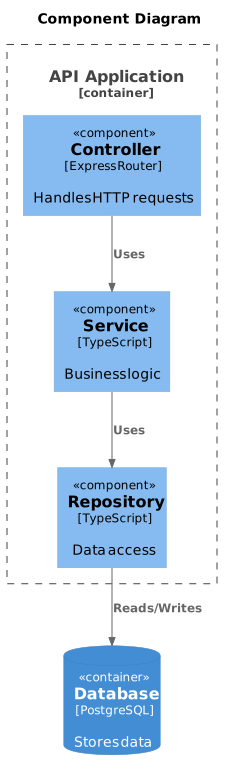
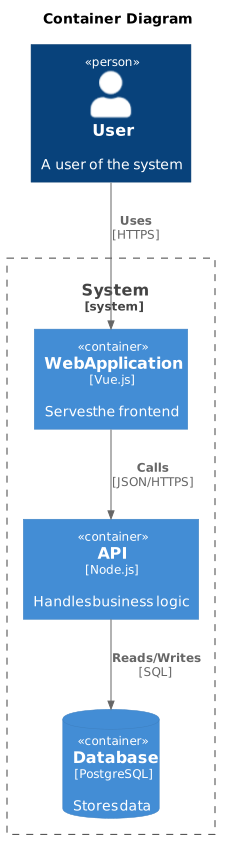
One system, four views. Rendered by Gnomon, offline.

01 — Write it

Text in. Diagram out. No server in between.

Every example on this page uses the templates and the rendering engine that ship in the app.

context.puml13 lines
@startuml
!include https://raw.githubusercontent.com/plantuml-stdlib/C4-PlantUML/master/C4_Context.puml

title System Context Diagram

Person(user, "User", "A user of the system")
System(system, "System", "The system being designed")
System_Ext(external, "External System", "An external dependency")

Rel(user, system, "Uses")
Rel(system, external, "Calls")

@enduml
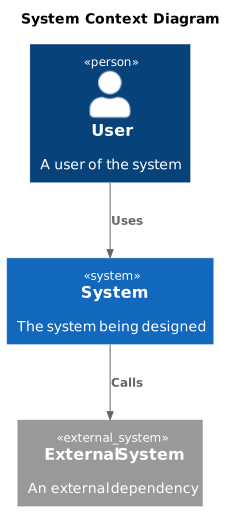
Context Diagram, rendered by Gnomon

Thirteen lines of C4, with the include path already right.

Open this template →
109Templates
15Notations
30D3 charts
11Agent exit types
0Diagram bytes sent

02 — Read it

The threat model was in your C4 all along

Trust boundaries and data flows are the inputs STRIDE wants, and you drew them weeks ago. Gnomon reads them and writes the register: severity on the diagram, and a decision recorded against each threat.
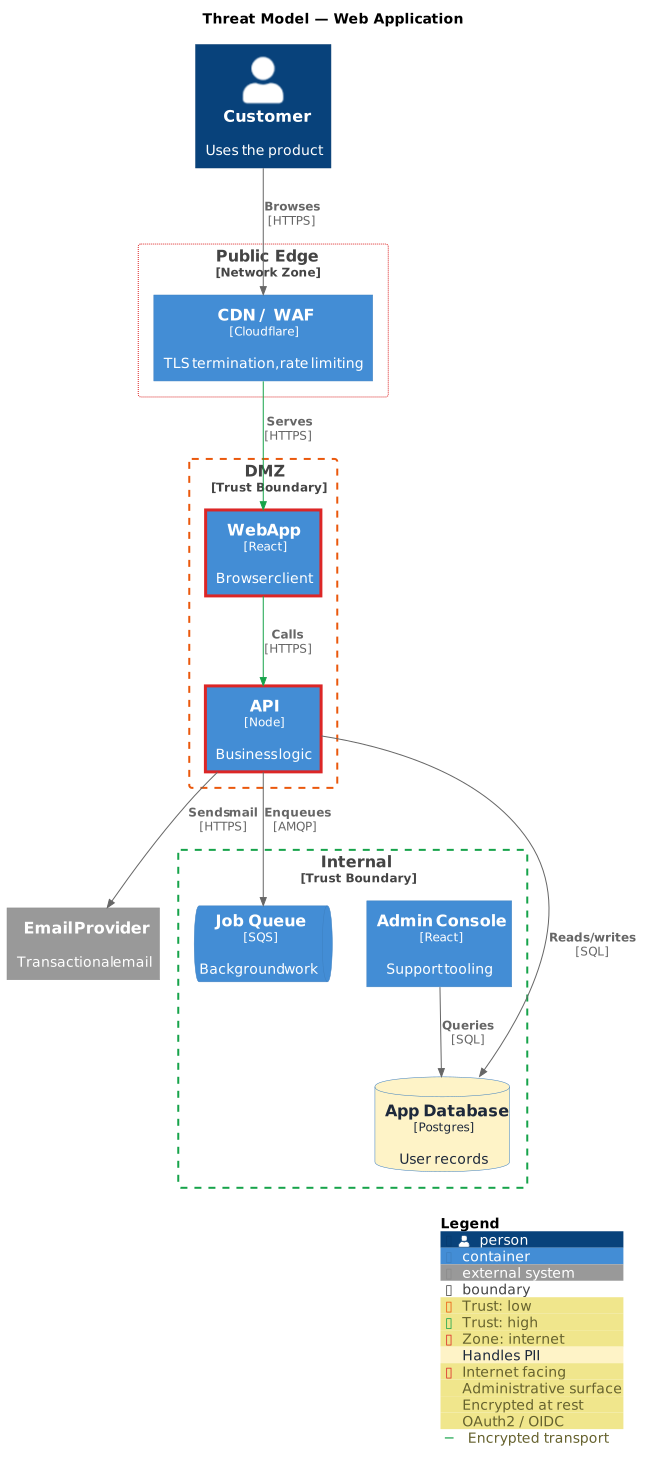
  • Spoofing, tampering, repudiation, disclosure, denial, elevation
  • Severity badges drawn onto the diagram itself
  • Your decisions kept with the file, not in someone's notes
See the threat templates
A web application threat model rendered by Gnomon, with trust boundaries, data flows and a STRIDE legend.

03 — Design it

A design framework for agent systems

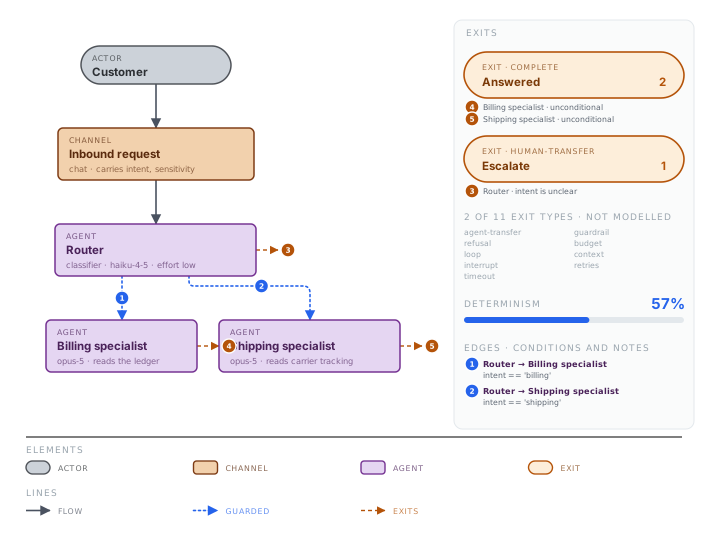
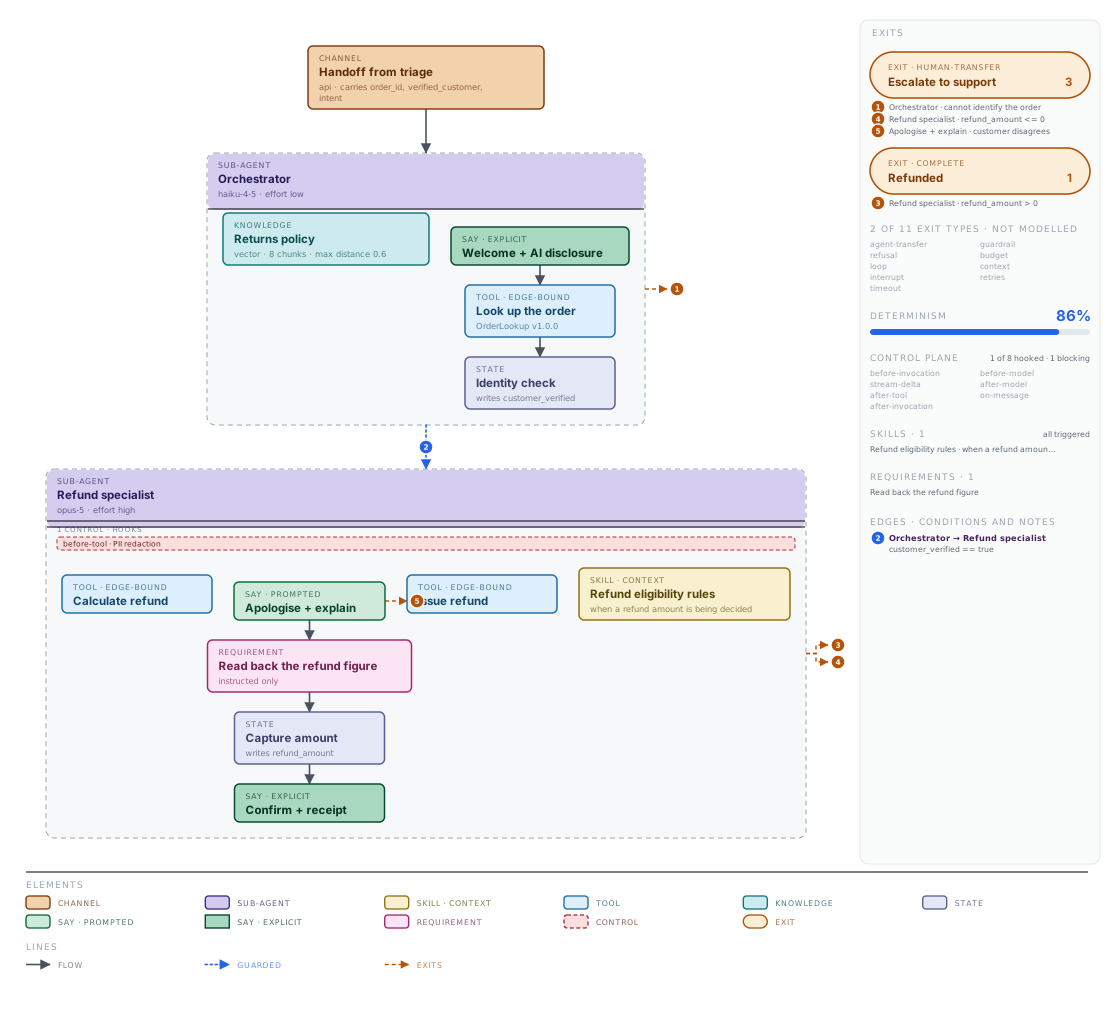
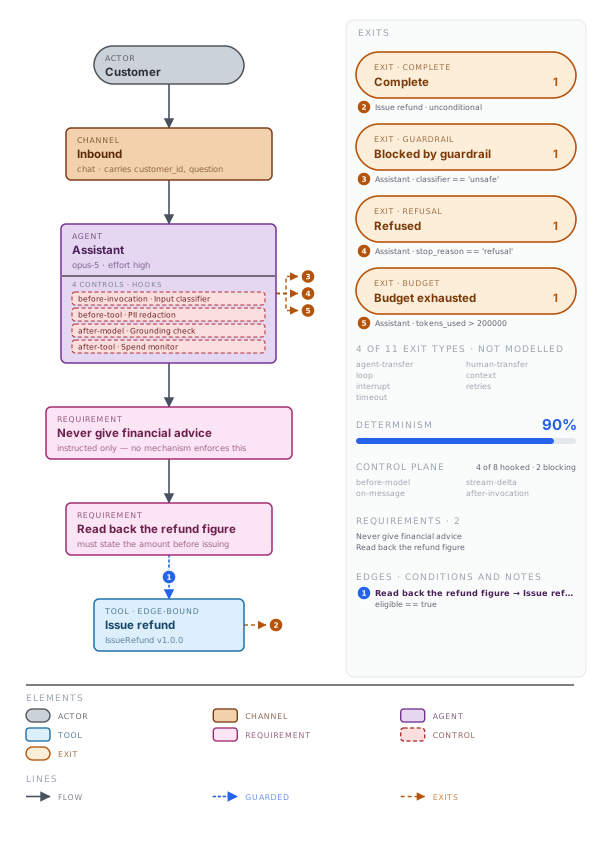
Agents, channels, tools, knowledge, state, routing, guardrails and exits, modelled from the whole estate down to a single turn. The model is built from how Claude Managed Agents, LangGraph, Google ADK, Strands and ElevenLabs actually work, so a design maps onto whichever one you build on.

4Zoom levels
5Aspects
7Viewpoints

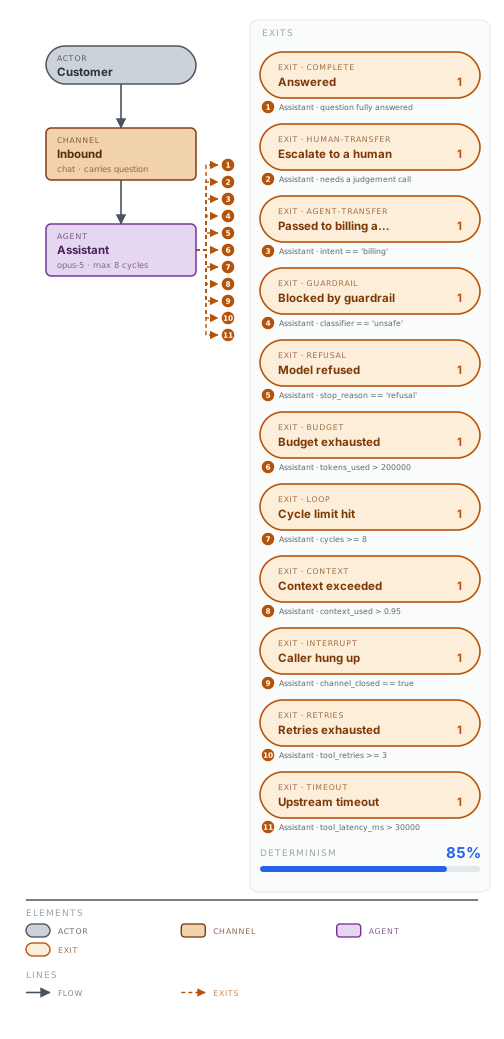
Then Gnomon reads the design back: how much of each run is determined, which hook points have no control, which requirements nothing enforces, and the ways a run can end that you never modelled.

See the agentic templates
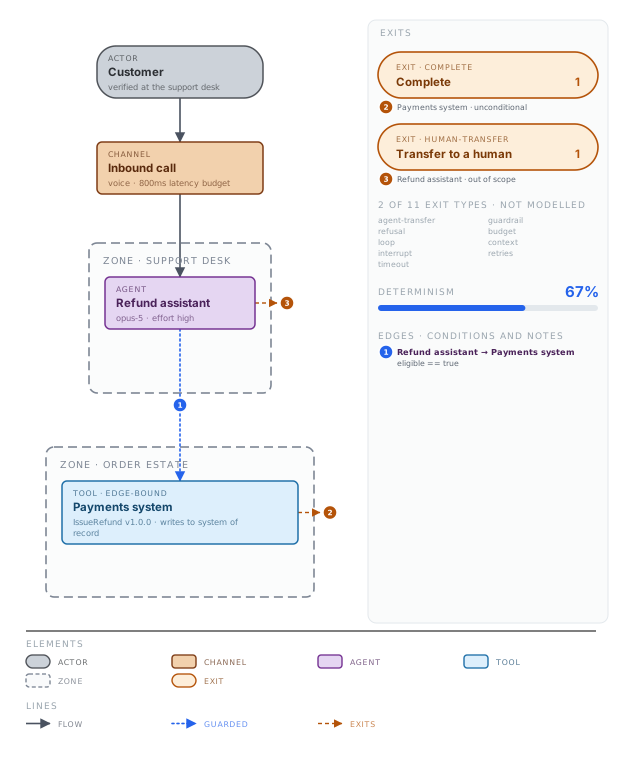
L1 Landscape view of an agent system, rendered by GnomonL1 · Landscape
L2 Topology view of an agent system, rendered by GnomonL2 · Topology
L3 Flow view of an agent system, rendered by GnomonL3 · Flow
L4 Control plane view of an agent system, rendered by GnomonL4 · Control plane
From the estate to a single turn. Rendered by Gnomon.

04 — Keep it

Your diagrams stay local

Your diagrams stay on your machine. Every outbound connection the app makes is listed here.

Read the privacy policy

Outbound, in full

Rendering
on your machine
Template library
bundled, offline
Threat analysis
on your machine
Knowledge index
on your machine
Licence activation
key and computer name
Licence check
key and activation ID, daily
Update check
our website, sees your IP
Usage analytics
Google Analytics, only if you opt in
Crash reports
off unless you turn them on
Claude
your own Claude Code, not ours
Your diagrams
never sent by Gnomon

05 — Start from one

109 templates, across 15 notations

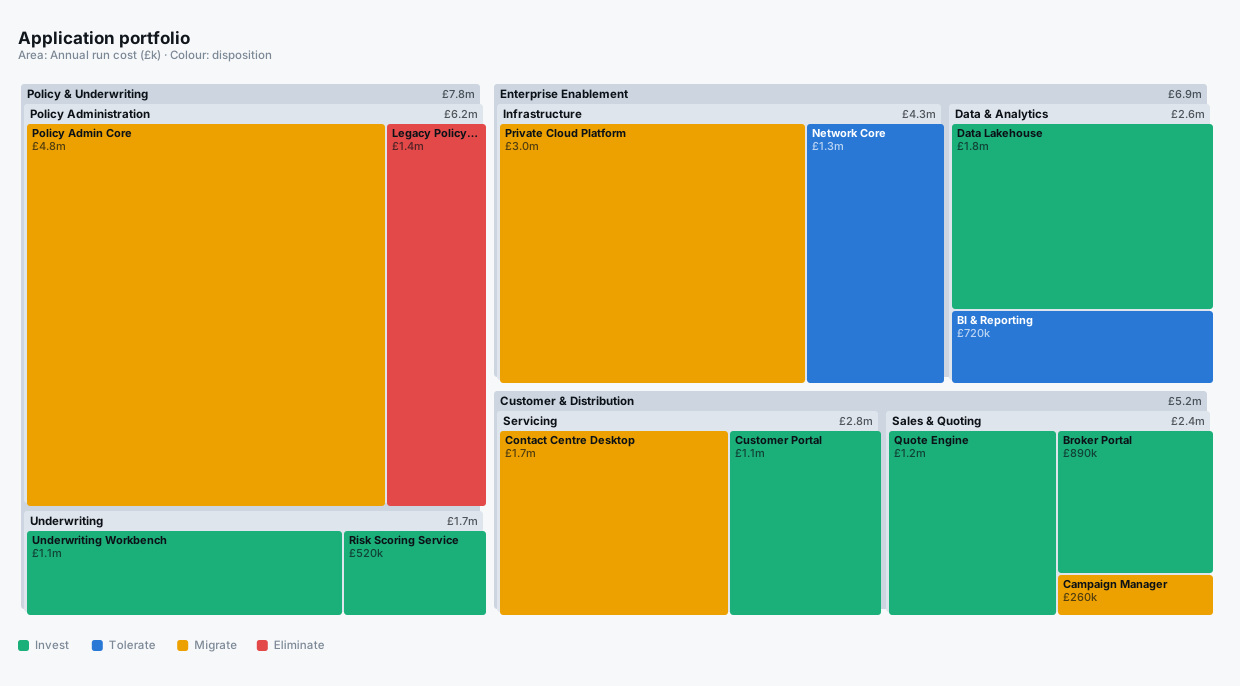
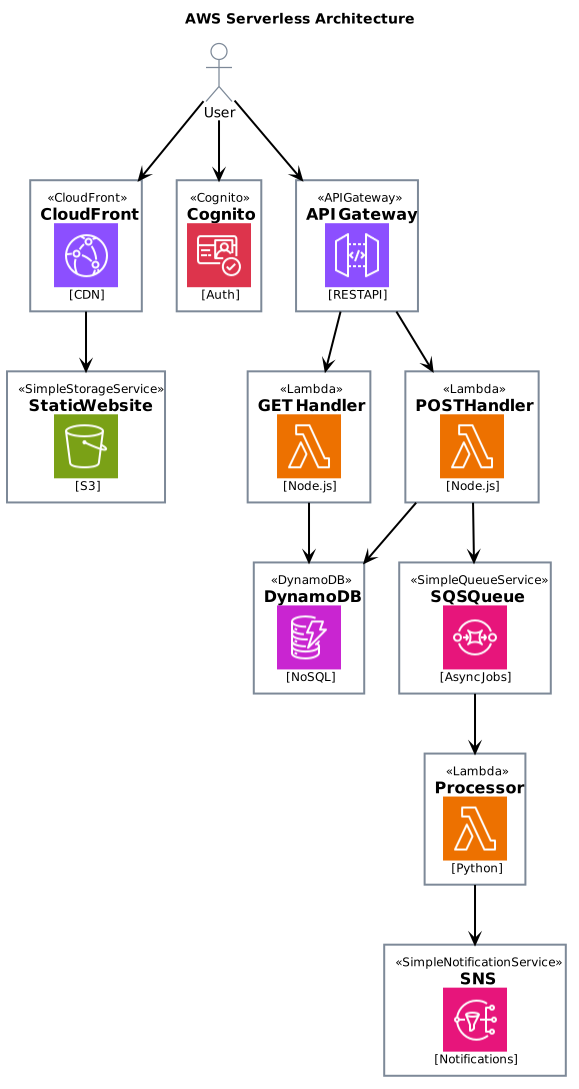
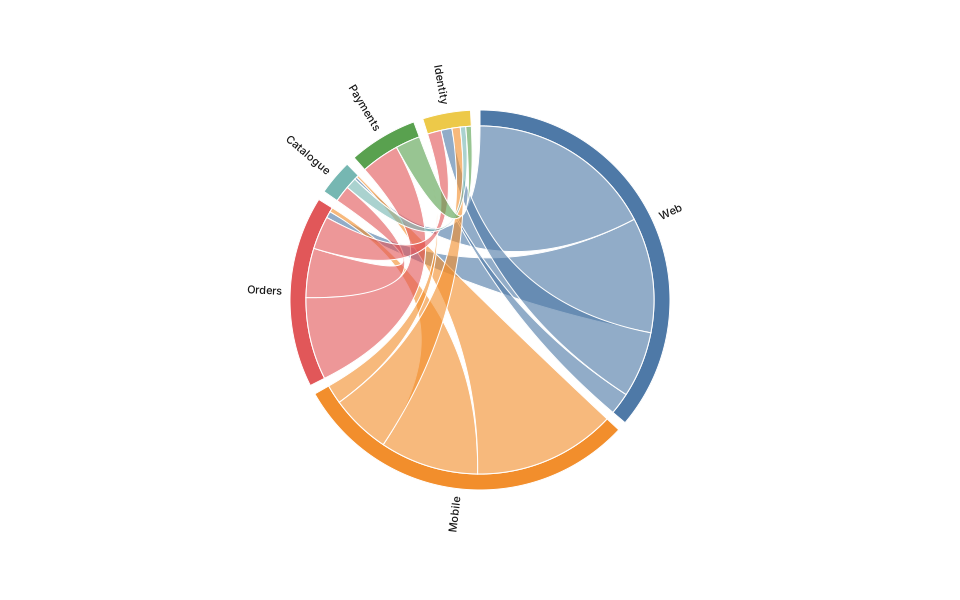
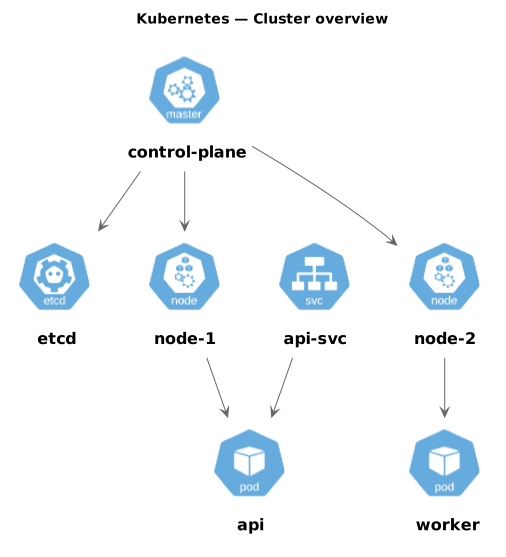
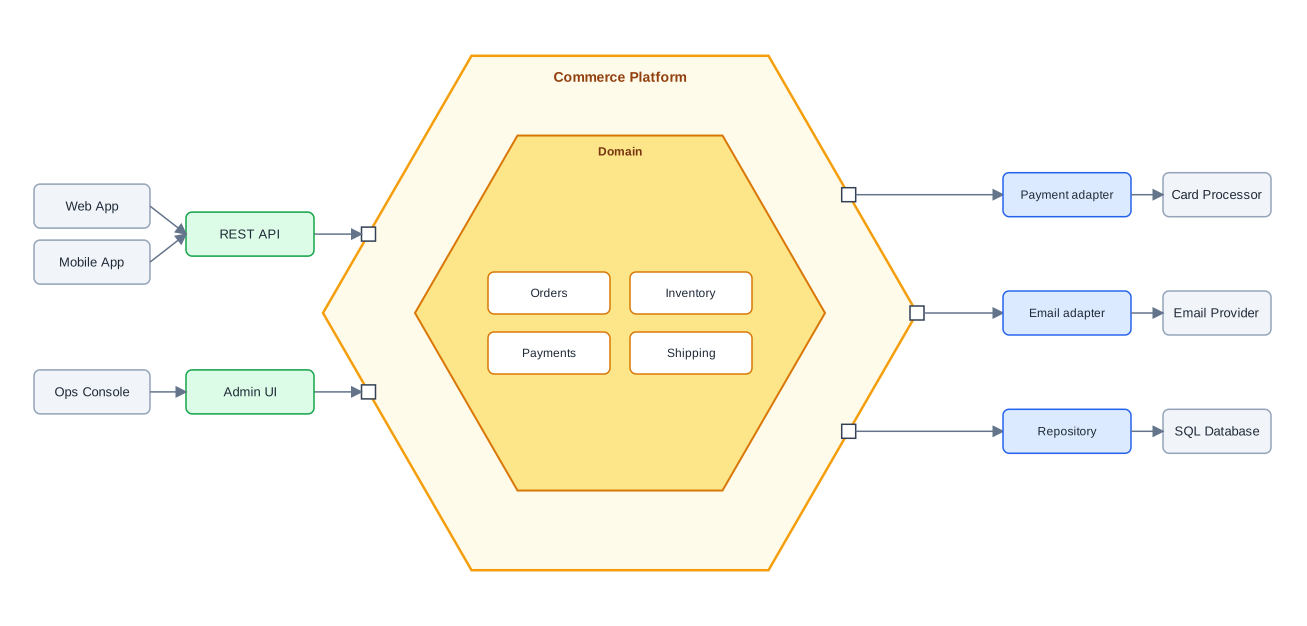
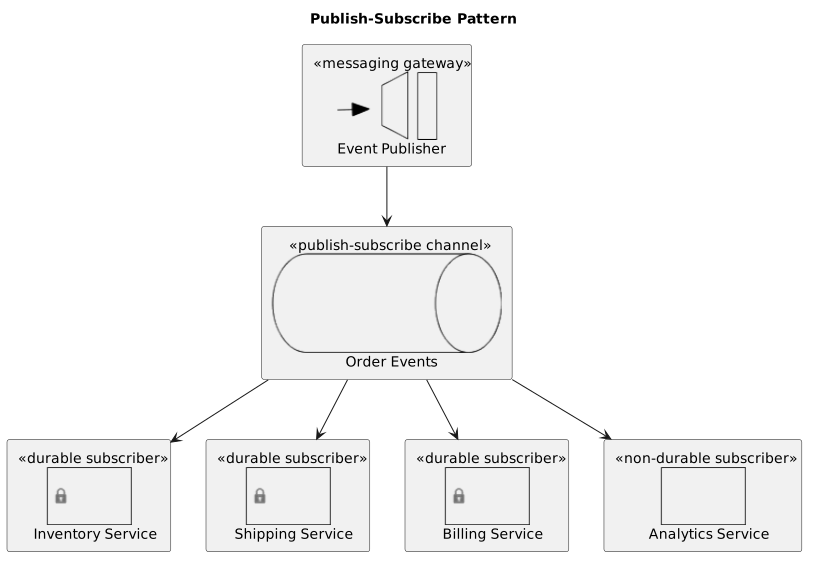
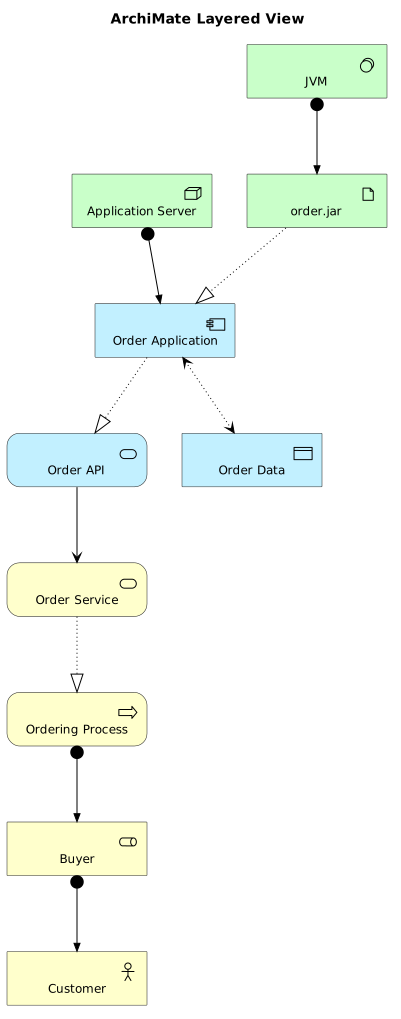
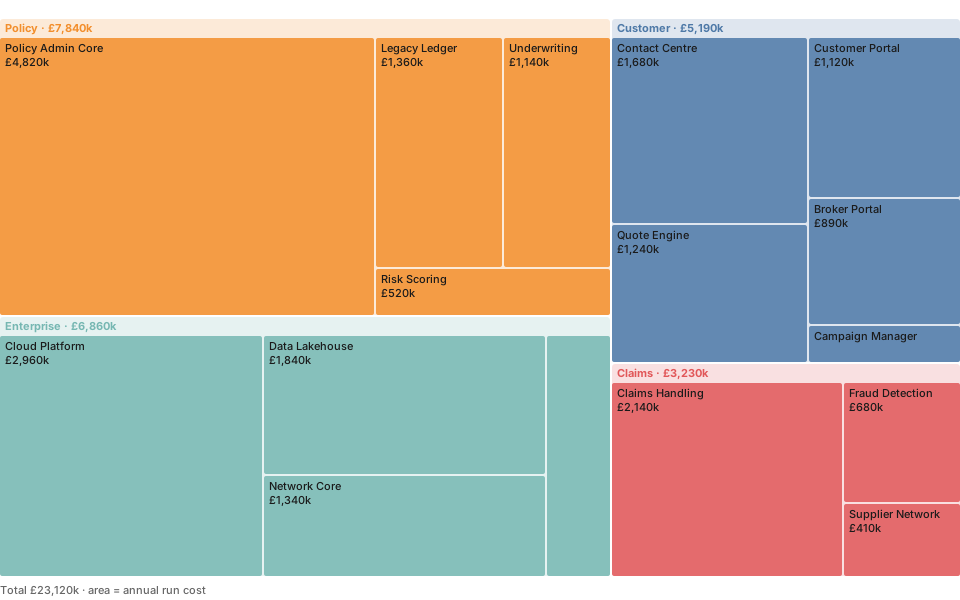
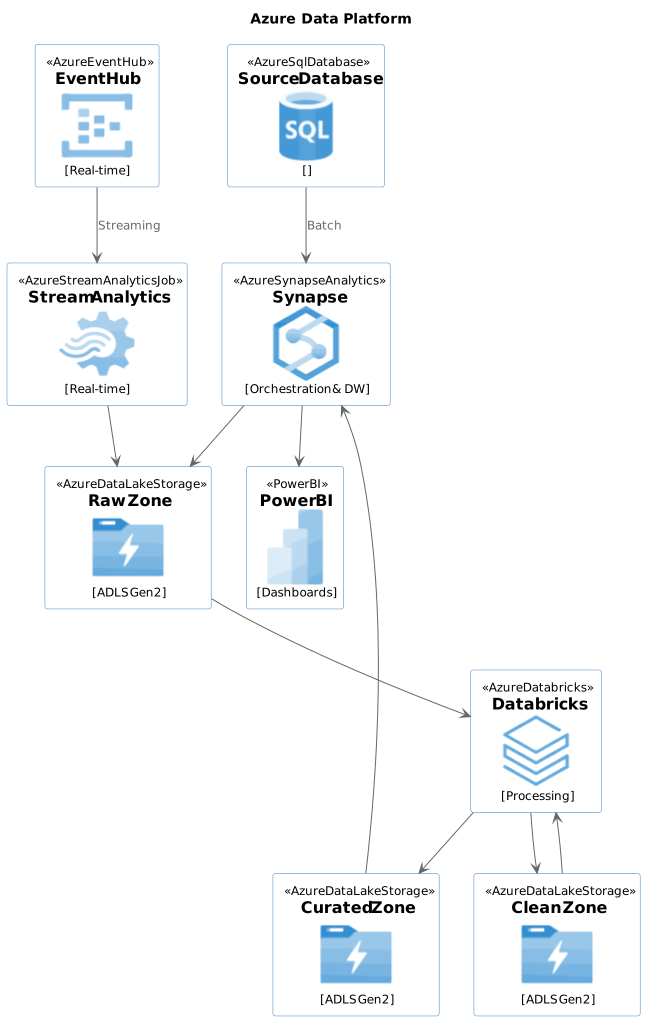
C4, UML, ArchiMate, AWS, Azure, Google Cloud, Kubernetes, integration patterns, hexagonal, portfolio treemaps, threat models, agentic design, 30 D3 charts, and the Markdown documents that go around them.
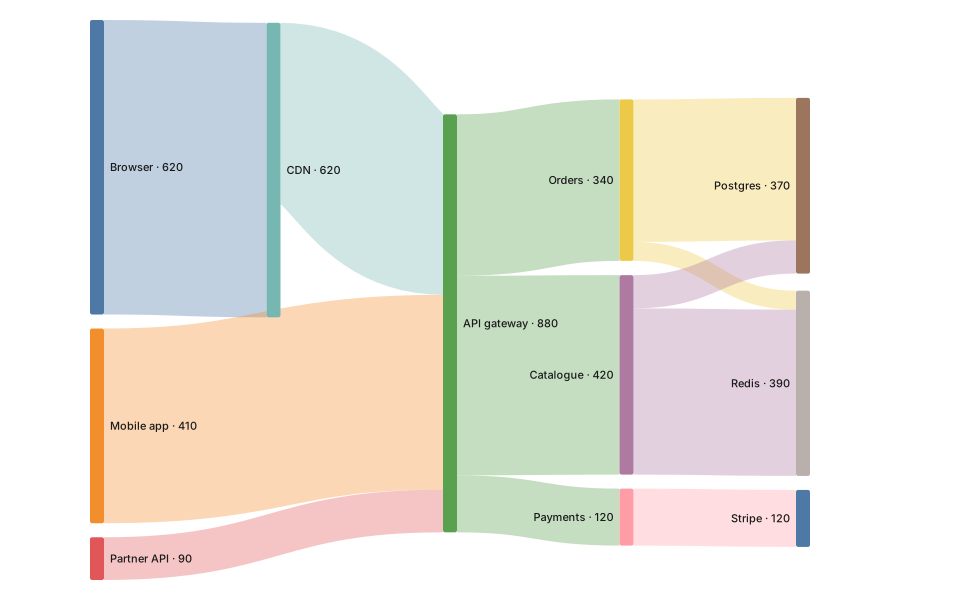
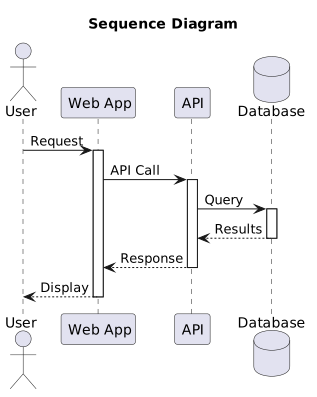
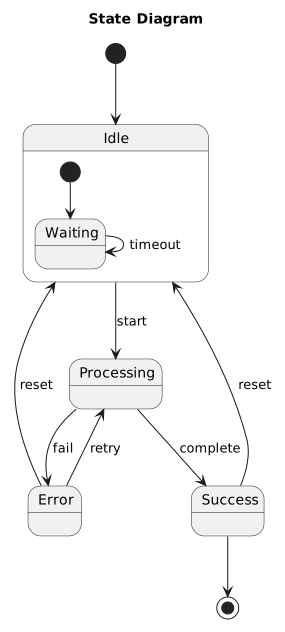
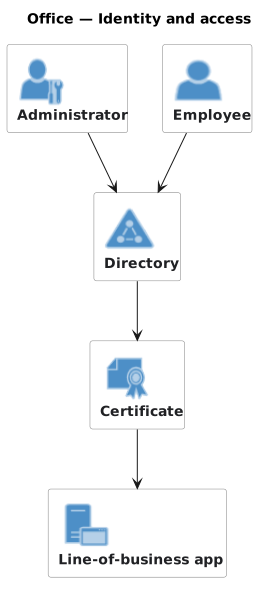
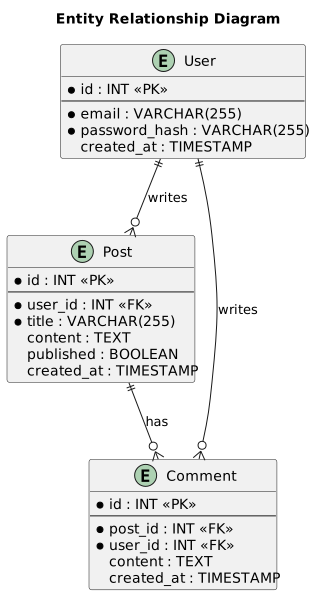
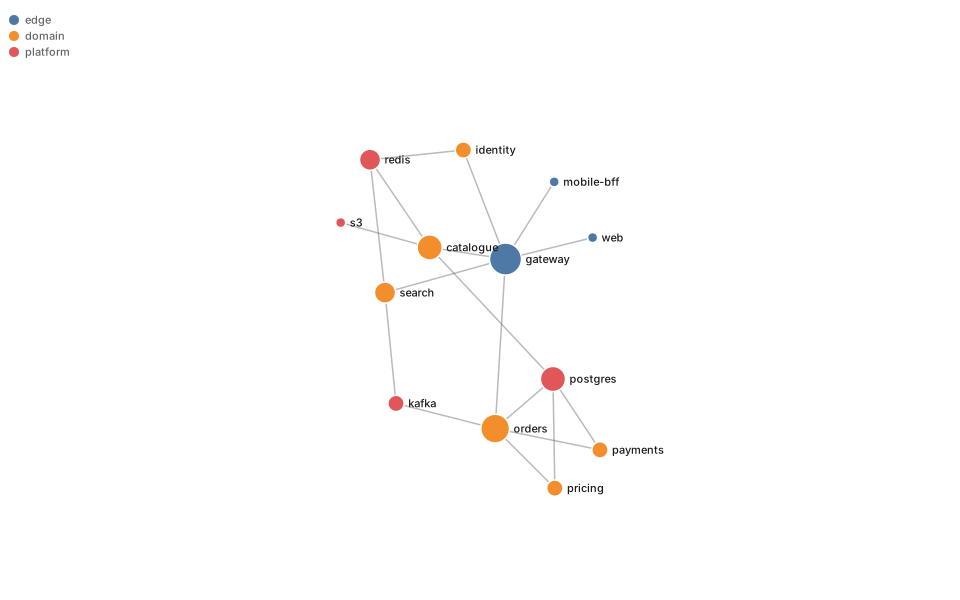
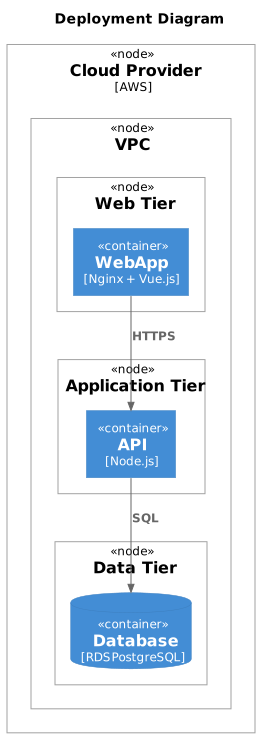
Context Diagram, rendered by GnomonSankey, rendered by GnomonAgentic, rendered by GnomonSequence Diagram, rendered by GnomonApplication Portfolio, rendered by GnomonServerless Architecture, rendered by GnomonChord, rendered by GnomonCluster Overview, rendered by GnomonHexagonal Application (concentric), rendered by GnomonCalendar heatmap, rendered by GnomonPublish-Subscribe, rendered by GnomonLayered View, rendered by GnomonContext Diagram, rendered by GnomonSankey, rendered by GnomonAgentic, rendered by GnomonSequence Diagram, rendered by GnomonApplication Portfolio, rendered by GnomonServerless Architecture, rendered by GnomonChord, rendered by GnomonCluster Overview, rendered by GnomonHexagonal Application (concentric), rendered by GnomonCalendar heatmap, rendered by GnomonPublish-Subscribe, rendered by GnomonLayered View, rendered by Gnomon
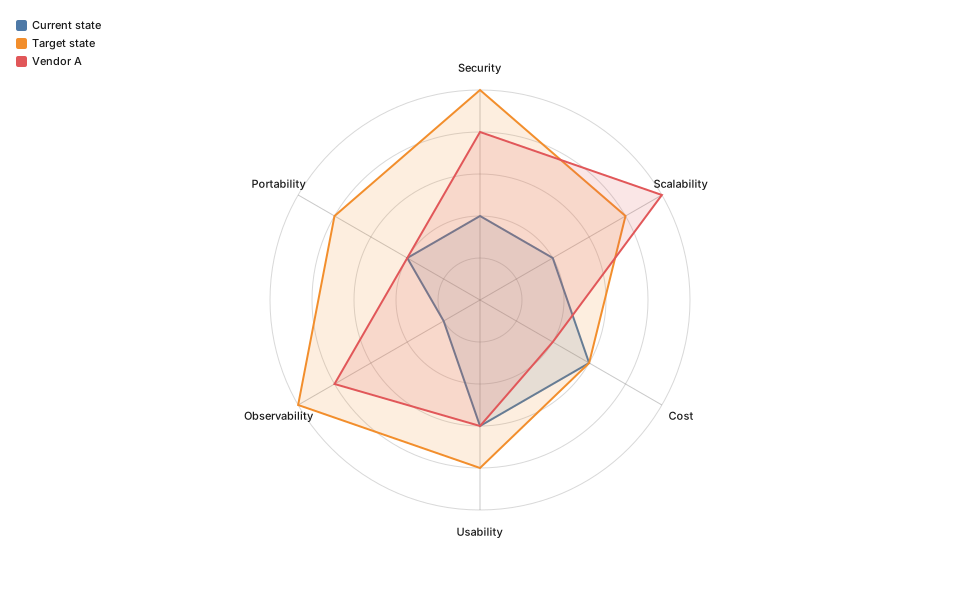
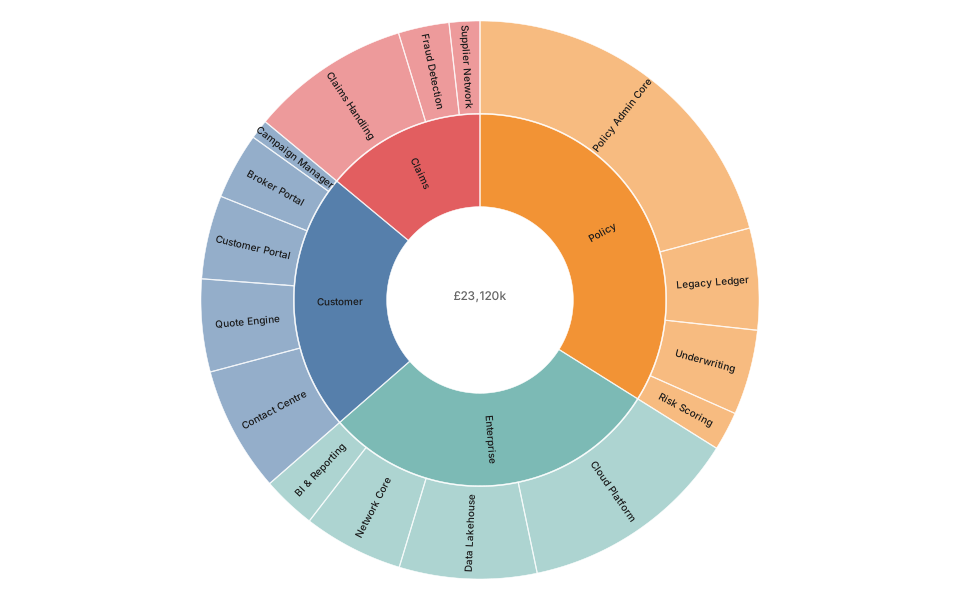
Treemap, rendered by GnomonThreat Model, rendered by GnomonData Platform, rendered by GnomonState Diagram, rendered by GnomonRadar, rendered by GnomonVPC Networking, rendered by GnomonAgentic, rendered by GnomonSunburst, rendered by GnomonIdentity and Access, rendered by GnomonER Diagram, rendered by GnomonForce graph, rendered by GnomonDeployment Diagram, rendered by GnomonTreemap, rendered by GnomonThreat Model, rendered by GnomonData Platform, rendered by GnomonState Diagram, rendered by GnomonRadar, rendered by GnomonVPC Networking, rendered by GnomonAgentic, rendered by GnomonSunburst, rendered by GnomonIdentity and Access, rendered by GnomonER Diagram, rendered by GnomonForce graph, rendered by GnomonDeployment Diagram, rendered by Gnomon

06 — And underneath

And the editor it all runs on

Rendering

Offline, in-process, instant

Real PlantUML compiled to run in the app rather than shelled out to Java, so the preview keeps up with typing. No server round trip, and no JRE to install.

Drawing

30 D3 charts, as real D3

Sankey, treemap, chord, calendar, force graphs: the views PlantUML cannot draw, as JavaScript you can edit, executed in a sandbox with no reach into your machine.

Planning

A board and a canvas beside it

Trello-style lanes and a typed idea graph in the same window as the architecture, so the work and the design are not in two tools that disagree.

Agents

Claude Code, in your own repositories

Gnomon registers an MCP server with Claude Code, so every session on your machine can validate, render and open diagrams with the bundled engine, in whichever repository it is working.

Safety net

Local history, no commit needed

Every version of a file, including the ones an agent wrote, recoverable without having committed anything anywhere.

Anywhere

The same editor in a browser

The web editor renders in the tab, opens folders on your own disk, needs no account, and is free. Same rendering engine as the desktop app: designing agent systems is the one thing reserved for it.

Point it at something you already drew

Open an architecture you finished months ago and see what it says about it. Thirty days, everything unlocked, no card and no account.

Pricing · Personal and Business · cancel whenever

Analytics cookies (optional)

May we use Google Analytics to understand visits, product links and feature use? If you accept, Google receives usage and device information, including your IP address, and sets analytics cookies. We do not send your documents, filenames or account details. Advertising features are disabled.

Analytics is off until you accept. Your choice is saved on this browser for 180 days using necessary local storage. You can change it at any time in Analytics preferences. Closing this message rejects analytics. Read our privacy policy.